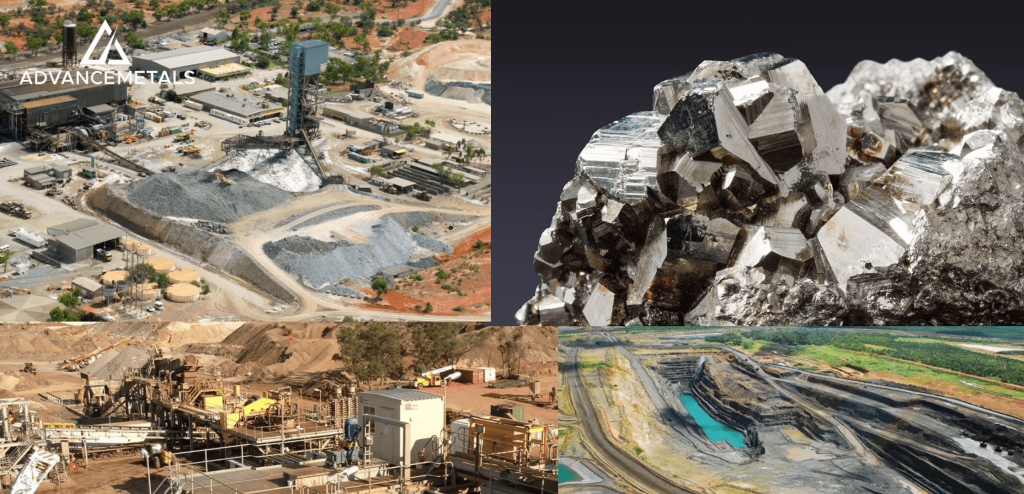
Australia has always been known as a global mining powerhouse. While the country is often associated with gold, coal, and iron ore, it is also one of the world’s most significant producers of silver.
In fact, Australia hosts some of the largest silver reserves on the planet, with deposits spread across New South Wales, Queensland, and Western Australia. Silver here isn’t just a byproduct of gold or lead–zinc mining—it’s an industry in its own right, driven by both major players and fast-growing juniors.
But why does silver matter so much today? Unlike gold, which is mostly valued for investment and jewelry, silver has wide industrial applications. It’s used in everything from solar panels and batteries to medical instruments and electronics. As renewable energy and technology markets expand, silver demand continues to rise steadily.
For investors, this makes Australian silver mining companies particularly attractive—they operate in a stable jurisdiction, backed by world-class infrastructure and transparent regulations.
This blog post will take you through the top 10 best silver mining companies in Australia, examining their strengths, projects, and future potential. Along the way, we’ll also highlight what makes a silver mining company “the best” in today’s fast-changing world.
Contents
- Why focus on the top silver miners in Australia?
- What Makes a Silver Mining Company the “Best”?
- Why Invest in Silver Mining Companies in Australia?
- Top 10 Best Silver Mining Companies Australia
- Future of Silver Mining in Australia
- How to Invest in Silver Mining Companies in Australia
- FAQs About Silver Mining in Australia
- Conclusion
Why focus on the top silver miners in Australia?
- Australia’s global rank: It consistently ranks among the top 5 silver-producing countries worldwide.
- Diverse players: From giants like South32 to explorers like Silver Mines Limited, the sector covers a spectrum of companies for every type of investor.
- Innovation and sustainability: Australian miners are at the forefront of cleaner, safer, and more efficient mining practices.
- Investment opportunities: The ASX (Australian Securities Exchange) offers multiple ways to gain exposure to silver, whether through established producers or junior exploration firms.
To make things even more useful, we won’t just list company names. You’ll get deep dives into each miner’s history, production stats, key projects, and future outlook, along with a handy comparison table. That way, whether you’re a curious reader, a student of mining, or someone eyeing silver stocks, you’ll walk away with a clear, informed view of the Australian silver mining scene.
Quick fact: According to Geoscience Australia, the country’s Economic Demonstrated Resources (EDR) of silver were estimated at more than 90,000 tonnes, ensuring decades of production capacity.
What Makes a Silver Mining Company the “Best”?
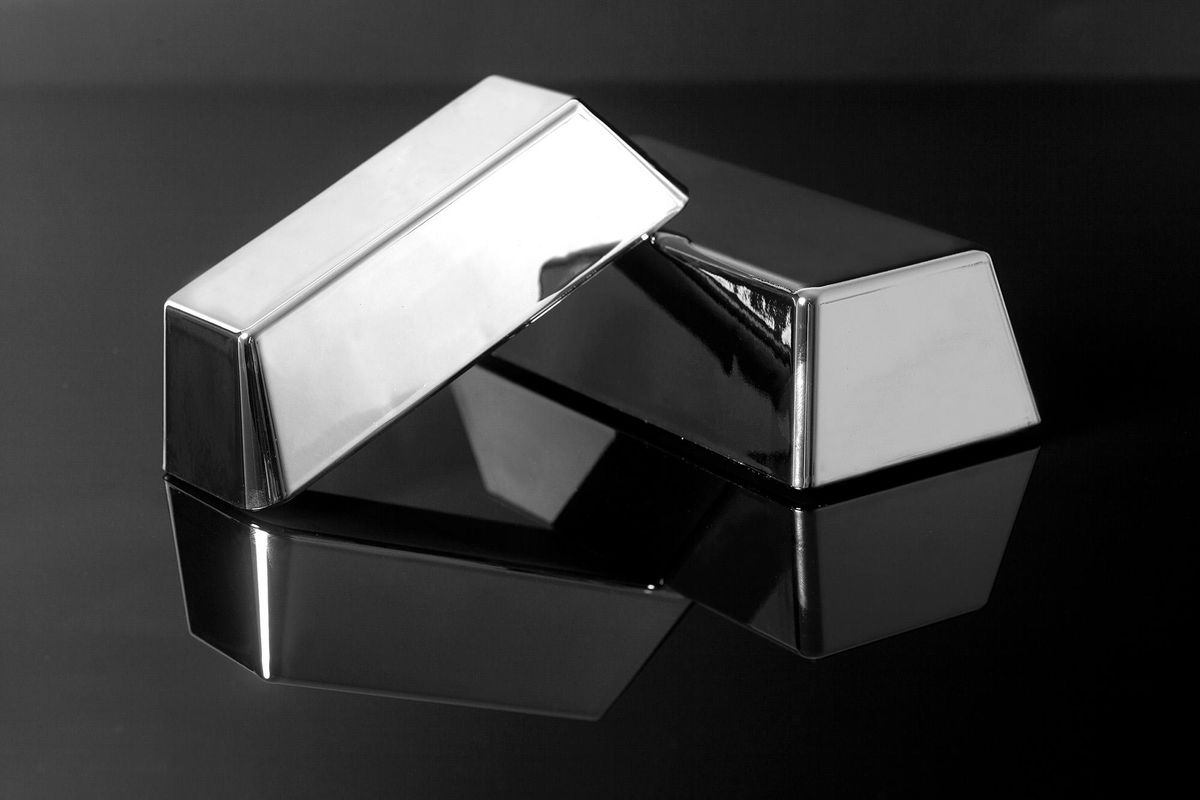
When it comes to ranking the top silver mining companies in Australia, it’s not just about who digs the most silver out of the ground. Investors, analysts, and even environmental regulators look at a mix of factors to decide whether a company is truly a leader in the industry. Think of it as a recipe—production is the main ingredient, but without financial stability, sustainability, and innovation, the final dish won’t taste right.
Here are the key elements that separate the best from the rest:
Production Capacity
- The most obvious measure is how much silver a company produces each year.
- Large producers like South32’s Cannington Mine are major contributors to global supply.
- However, volume isn’t everything; steady and efficient output is just as important.
Financial Performance
- Investors want companies with healthy balance sheets, low debt, and consistent cash flow.
- Strong financials mean a miner can weather downturns in silver prices.
- Publicly listed companies (such as on the ASX) provide transparent reporting, making it easier to judge performance.
Silver Reserves and Exploration Potential
- A mine is only as good as the ore beneath it.
- Companies with large proven and probable reserves are more likely to provide long-term returns.
- Exploration activity is also crucial—junior miners may not produce much yet but could strike the next big deposit.
Sustainability and Environmental Practices
- Mining has a big environmental footprint. The best companies adopt eco-friendly technologies, manage waste responsibly, and engage in land rehabilitation.
- With ESG (Environmental, Social, and Governance) investing on the rise, companies that ignore sustainability risk losing investor confidence.
Technological Innovation
- Modern mining isn’t just about trucks and drills anymore.
- Companies that invest in automation, AI-driven exploration, and advanced processing techniques often reduce costs and improve efficiency.
- For example, smart mining technology can identify ore grades more accurately, minimizing waste.
Market Reputation and Investor Confidence
- Stock performance and shareholder trust matter.
- Companies with consistent dividends, transparent governance, and good relations with local communities tend to build stronger reputations.
- On the flip side, those with lawsuits, frequent cost overruns, or environmental controversies often see their stock values suffer.
Quick Comparison Checklist for Investors
| Factor | Why It Matters | Example in Australia |
| Production Volume | Shows current strength | South32’s Cannington Mine |
| Financial Stability | Indicates long-term security | Evolution Mining |
| Reserves | Ensures future supply | Silver Mines Limited |
| Sustainability | Attracts ESG investors | Advance Metals Limited |
| Innovation | Improves efficiency | South32 automation projects |
Quote to note:
“The mining companies that will thrive in the next decade are those that combine strong production with responsible, transparent, and sustainable practices.” — Mining Journal
Why Invest in Silver Mining Companies in Australia?

Silver is often called the “people’s precious metal.” Unlike gold, which is mainly used as a store of value, silver plays a double role: it is both a safe-haven investment and an industrial necessity. For anyone considering investing in mining stocks, understanding why Australia is a strong choice for silver exposure is crucial.
Australia’s Mining Credibility
Australia is not just another mining nation—it is a global leader. The country consistently ranks among the top 5 silver producers worldwide. With advanced infrastructure, stable political systems, and transparent mining regulations, it offers a secure environment for mining operations. Compared to riskier jurisdictions, Australia provides a lower-risk gateway into the silver market.
Rising Global Demand for Silver
Silver’s demand is being driven by multiple industries:
- Electronics: Used in smartphones, computers, and semiconductors.
- Solar energy: Essential in photovoltaic cells, making it critical to the renewable energy transition.
- Medical field: Valued for its antibacterial properties, used in surgical instruments and wound dressings.
- Automotive: With the growth of electric vehicles, silver is needed in batteries and advanced electronics.
According to the Silver Institute, industrial demand for silver hit record levels in recent years and is projected to rise further, especially with renewable energy growth.
Silver as an Investment vs. Gold
- Silver is more affordable than gold, making it attractive for smaller investors.
- Historically, silver prices move with gold, but silver tends to show greater percentage gains in bull markets.
- It offers diversification for portfolios heavily weighted toward gold or traditional stocks.
Government and Regulatory Support
The Australian government actively supports the mining industry through:
- Clear and transparent permitting processes.
- Tax incentives for exploration companies.
- Strong investment protections for both local and foreign stakeholders.
This framework reassures investors that their capital is safeguarded against sudden regulatory shocks.
Risks and Challenges
Of course, no investment is without risks. In silver mining, the key challenges include:
- Price volatility: Silver prices can swing widely in response to global economic changes.
- Operational costs: Mining is capital-intensive, and rising energy prices can eat into margins.
- Environmental concerns: Companies that fail to meet modern ESG standards face reputational and financial setbacks.
Quick Snapshot: Silver Market Outlook
| Factor | Trend | Investor Takeaway |
| Industrial demand | Rising | Supported by green energy & tech |
| Silver price volatility | High | Great upside but risky |
| Australia’s reserves | Large | Long-term production security |
| Government support | Strong | Stable, investor-friendly |
Investing in Australian silver mining companies is not just about chasing shiny metals. It’s about positioning in a sector that is essential for the future—whether in renewable energy, medicine, or technology.
Yes, the risks are real, but for those who can handle volatility, Australia offers some of the safest and most promising silver mining opportunities worldwide.
Top 10 Best Silver Mining Companies Australia
Australia is home to both established mining giants and ambitious junior explorers. Below are the top 10 best silver mining companies in Australia, ranked not only by production but also by innovation, exploration potential, and sustainability practices.
Comparison Table: Top 10 Silver Mining Companies Australia
| Company Name | ASX Code | Primary Projects / Mines | Silver Role | Key Strengths |
| Advance Metals Limited | AVM | Early-stage exploration projects | Exploration & growth | ESG focus, junior with high upside |
| South32 Limited | S32 | Cannington Mine (QLD) | Major producer | Diversified portfolio, automation |
| Newcrest Mining | NCM | Cadia Mine (NSW) | Byproduct | Gold dominance, strong balance sheet |
| Evolution Mining | EVN | Cowal & Mt Carlton Mines | Byproduct | Steady revenue, sustainability |
| Perilya Limited | Private | Broken Hill Mine (NSW) | Significant producer | Long history, strong Chinese backing |
| Adriatic Metals | ADT | Polymetallic exploration assets | Exploration focus | Junior growth potential |
| Metals X Limited | MLX | Renison Tin Project | Byproduct | Large-scale tin & base metals |
| Cannington Mine (South32) | — | Northwest QLD | Major global producer | One of world’s richest silver-lead-zinc mines |
| Silver Mines Limited | SVL | Bowdens Silver Project (NSW) | Pure-play silver | Largest undeveloped silver deposit in Australia |
| MMG Limited | MMG | Dugald River Mine (QLD) | Byproduct | Strong financial backing, diversified |
1. Advance Metals Limited (ASX: AVM): A Rising Star in Sustainable Silver Mining
Overview of Advance Metals Limited
Advance Metals Limited (ASX: AVM) is an Australian exploration company focused on high-grade gold and silver assets across Australia and North America. The company is committed to sustainable mining practices and is actively advancing its portfolio of projects to unlock value for shareholders.
Focus on Sustainable Mining and Exploration
Advance Metals places a strong emphasis on sustainable mining practices, aiming to minimize environmental impact while maximizing resource extraction efficiency. The company’s exploration efforts are guided by a commitment to responsible development, ensuring that all projects adhere to environmental and social governance (ESG) standards.
Key Silver Projects and Exploration Sites in Australia
In addition to its international projects, Advance Metals is also exploring opportunities within Australia. The company’s Australian portfolio includes:
- Myrtleford and Beaufort Gold Projects (Victoria): Advance secured the right to acquire an 80% interest in these projects through a joint venture with Serra Energy Metals Corp. The projects contain over 70 past-producing high-grade underground gold mines with significant exploration potential.
- Myrtleford Project: Located in Victoria, the Myrtleford Project has shown promising results, including intersections of 7.5 metres at 47.6g/t gold, indicating high-grade gold mineralization.
Growth Potential and Investor Outlook
Advance Metals’ strategic acquisitions and exploration activities position the company for significant growth. The company’s commitment to advancing its projects and adhering to sustainable practices enhances its appeal to investors seeking exposure to the precious metals sector.
With a focus on high-grade assets and responsible development, Advance Metals is poised to capitalize on the growing demand for gold and silver.
Positioning Among Emerging Silver Producers
Advance Metals is establishing itself as a notable player among emerging silver producers. The company’s strategic focus on high-grade assets, combined with its commitment to sustainable mining practices, positions it well to meet the increasing global demand for silver.
As the company continues to advance its projects and expand its resource base, it is expected to gain recognition in the industry and attract further investor interest.
2. South32 Limited: Australia’s Leading Silver Producer

Company Overview
South32 Limited is a globally diversified mining and metals company headquartered in Perth, Western Australia. Established in 2015 as a spin-off from BHP Billiton, South32 is listed on the Australian Securities Exchange (ASX: S32) and has secondary listings in Johannesburg and London.
The company operates across multiple continents, with assets in Australia, Southern Africa, and South America, producing a range of commodities including silver, lead, zinc, alumina, aluminium, copper, manganese, nickel, and metallurgical coal.
Silver Production at Cannington Mine
South32’s flagship silver operation is the Cannington Mine, located in north-west Queensland, approximately 200 kilometers southeast of Mount Isa. The mine is renowned as one of the world’s largest producers of silver and lead, with a production capacity of around 3.3 million tonnes of ore per year.
- Key Statistics:
- Annual Production: Approximately 11.8 million ounces of silver, 110,400 tonnes of lead, and 66,700 tonnes of zinc.
- Employees: Over 500 full-time staff, with additional contractors.
- Community Investment: In FY24, South32 invested approximately US$0.4 million in local community initiatives.
- Annual Production: Approximately 11.8 million ounces of silver, 110,400 tonnes of lead, and 66,700 tonnes of zinc.
The Cannington operation employs advanced processing techniques, including grinding, sequential flotation, and leaching, to produce high-grade, marketable lead and zinc concentrates with significant silver content.
Recent Developments
In August 2025, South32 announced a revision of its production expectations at the Cannington Mine. A comprehensive review of the mine plan identified increasing underground complexity and declining ore grades, leading to a decision to scale down production.
The company plans to reduce mining volumes to an average of 1.8 million tonnes annually between FY2026 and FY2032 to ensure reliable output and cost efficiency.
Strategic Positioning in the Silver Market
South32’s Cannington Mine plays a pivotal role in Australia’s silver production landscape. As the nation’s largest dedicated silver producer, the mine contributes significantly to both local economies and global silver supply chains. The company’s commitment to sustainable mining practices, community engagement, and operational excellence positions South32 as a leader in the silver mining sector.
For more information on South32’s operations and sustainability initiatives, visit their official website.
3. Newcrest Mining Limited: Silver as a Byproduct of Gold Operations

Company Overview
Newcrest Mining Limited is Australia’s largest gold mining company, with operations extending across Australia, Papua New Guinea, Canada, and Indonesia.
Headquartered in Melbourne, Newcrest is recognized for its significant contributions to the global gold supply, with a production of 2.1 million ounces in the 2020–2021 fiscal year.
The company is now a subsidiary of Newmont Corporation, following a $19.2 billion acquisition in 2023, creating the world’s leading gold mining entity. Despite this acquisition, Newcrest continues to operate under its established brand and management structure.
Silver Production as a Byproduct
While Newcrest’s primary focus is gold, several of its mining operations also produce silver as a byproduct. The silver extracted is typically a secondary product from gold and copper mining processes. Notable operations contributing to silver production include:
- Cadia Mine (New South Wales): A significant contributor to both gold and silver production. In the September 2022 quarter, Cadia treated 7,062,000 tonnes of ore, yielding approximately 140,047 ounces of silver.
- Telfer Mine (Western Australia): In the 2019–2020 fiscal year, Telfer produced 164,000 ounces of silver alongside its gold output.
- Brucejack Mine (British Columbia, Canada): A gold-silver operation where silver is recovered as a byproduct of gold mining.
- Red Chris Mine (British Columbia, Canada): A copper-gold-silver mine where silver is produced as a byproduct of copper and gold extraction.
Strategic Positioning in the Silver Market
Although silver is not Newcrest’s primary focus, its byproduct silver production adds a valuable dimension to the company’s portfolio. The integration of silver production with gold and copper operations enhances the overall economic viability of these projects.
Moreover, Newcrest’s commitment to sustainable mining practices, as evidenced by its efforts to transition to an all-electric haul fleet at the Brucejack mine, underscores its dedication to responsible resource extraction.
4. Evolution Mining Limited (ASX: EVN)
Company Overview
Evolution Mining Limited is a prominent Australian gold mining company that operates several high-quality gold assets across Australia. Established in 2011, Evolution Mining has rapidly grown to become one of the country’s leading gold producers.
The company’s operations are strategically located in key gold-producing regions, and it is listed on the Australian Securities Exchange under the ticker symbol EVN.
Silver Production as a Byproduct
While Evolution Mining’s primary focus is gold production, several of its mining operations also yield silver as a byproduct. Notably:
- Ernest Henry Mine (Queensland): This operation is a significant source of both copper and gold. Silver is produced as a byproduct during the extraction of these metals. The mine has substantial reserves and is a key asset in Evolution’s portfolio.
- Cowal Mine (New South Wales): Primarily a gold mine, Cowal also produces silver as a secondary product. The mine’s expansion and operational improvements have contributed to increased silver output.
- Mt Rawdon Mine (Queensland): This gold mine produces silver as a byproduct, adding to Evolution’s overall silver production.
- Red Lake Mine (Canada): Acquired in 2021, this operation has the potential to contribute to Evolution’s silver production, although its primary output is gold.
In the December 2024 quarter, Evolution Mining reported a total silver production of 137,471 ounces, marking a significant increase from previous periods.
For instance, in the September 2024 quarter, the company produced 76,247 ounces of silver, indicating a 80% rise in just three months. This uptick is attributed to enhanced operational efficiencies and increased processing throughput at its mines.
Strategic Positioning in the Silver Market
Evolution Mining’s silver production, though secondary to its gold output, adds a valuable dimension to its portfolio. The company’s ability to extract silver as a byproduct from its gold operations allows it to capitalize on favorable silver market conditions without incurring significant additional costs.
This strategy enhances the overall economic viability of its mining projects and provides shareholders with diversified exposure to precious metals.
5. Perilya Limited: Australia’s Historic Silver Producer

Company Overview
Perilya Limited is an Australian base metals mining and exploration company with a rich history in silver production. Established in 1987, Perilya owns and operates the iconic Broken Hill silver, lead, and zinc mines in New South Wales, including the Southern Operations, Potosi Operations, and North Mine.
The company is 100% owned by Zhongjin Lingnan Nonfemet Company Limited, a Chinese non-ferrous metals mining and smelting company.
Silver Production at Broken Hill
Perilya’s Broken Hill operations are renowned for their high-grade silver-lead-zinc deposits. The company’s mining activities at Broken Hill focus on extracting silver as a byproduct of lead and zinc production.
The Southern Operations, Potosi Operations, and North Mine are integral to Perilya’s silver output, contributing significantly to Australia’s silver production.
Recent Developments and Strategic Initiatives
In September 2023, Perilya entered into a partnership with Hydrostor to develop the Silver City Energy Storage (SCES) Project, an Advanced Compressed Air Energy Storage (A-CAES) facility utilizing existing mine infrastructure at the Potosi Mine site.
This project aims to provide reliable backup power for Broken Hill and the Far West region of New South Wales, showcasing Perilya’s commitment to sustainable energy solutions.
Financial Position and Market Presence
Perilya Limited is an unlisted public company with its principal mining operations situated at Broken Hill and Cerro de Maimón in the Dominican Republic. The company also has exploration and development interests in Australia, the Dominican Republic, and Malaysia.
Perilya Limited stands as a cornerstone of Australia’s silver mining industry, with its operations at Broken Hill contributing significantly to the nation’s silver production.
The company’s strategic initiatives, such as the Silver City Energy Storage Project, highlight its forward-thinking approach to integrating mining with sustainable energy solutions.
For more information on Perilya’s operations and initiatives, visit their official website.
6. Adriatic Metals (Australia Branch)

Adriatic Metals Plc (ASX: ADT) is a UK-based precious and base metals developer with a significant presence in Australia. The company is primarily focused on the development of its flagship Vareš Silver Operation in Bosnia and Herzegovina, which produces silver, lead, zinc, and gold concentrates.
Australian Operations and Corporate Presence
Adriatic Metals maintains an Australian branch to facilitate its operations and corporate activities. While the company’s primary mining activities are based in Bosnia and Herzegovina, the Australian office plays a crucial role in investor relations, regulatory compliance, and strategic development.
This presence is particularly important for maintaining its listing on the Australian Securities Exchange (ASX).
Vareš Silver Operation
The Vareš Silver Operation is a high-grade polymetallic project located in central Bosnia and Herzegovina. The project comprises two main deposits:
Rupice and Veovaca. Rupice is a high-grade underground deposit, while Veovaca is a lower-grade open-pit deposit. The operation is designed to produce silver, lead, zinc, and gold concentrates.
In July 2025, Adriatic Metals announced that the Vareš Silver Operation had reached commercial production, marking a significant milestone for the company. This achievement was based on maintaining plant throughput levels of 75% over a 14-day period, including 80% over 7 days, and reaching 2,000 tonnes per day in late June.
The company plans to expand the processing plant’s capacity from 0.8 million tonnes per annum (Mtpa) to 1.3 Mtpa, aiming to increase annual silver equivalent production to over 20 million ounces by 2027.
Acquisition by Dundee Precious Metals
In September 2025, Dundee Precious Metals Inc. completed the acquisition of Adriatic Metals, acquiring 100% of the company’s shares. This acquisition provides Dundee with full control of the Vareš Silver Operation and enhances its portfolio with increased production growth and cash flow potential.
Following the acquisition, the combined entity intends to list on the Australian Securities Exchange as DPM Metals Inc.
While Adriatic Metals’ primary operations are based in Bosnia and Herzegovina, its Australian branch plays a vital role in supporting its corporate and regulatory activities.
The company’s focus on the Vareš Silver Operation positions it as a significant player in the silver production industry, with plans for substantial growth in the coming years.
7. Metals X Limited (ASX: MLX)

Metals X Limited is an Australian mining company primarily recognized as the nation’s largest tin producer. While its core operations focus on tin, the company has historically been involved in silver mining through its former gold and base metals assets.
Company Overview
Metals X Limited is headquartered in South Perth, Western Australia. The company holds a 50% interest in the Renison Tin Project located in northwest Tasmania, which is Australia’s largest tin producer. Additionally, Metals X has investments in companies undertaking exploration and development of gold and base metals projects in Australia.
Historical Silver Operations
Historically, Metals X was involved in silver mining through its ownership of the Renison Bell tin mine in Tasmania. Renison Bell has been a significant producer of tin since 1890. While primarily a tin operation, the mine has also produced silver as a byproduct.
In 2008, Metals X acquired the Mount Bischoff tin mine in Tasmania, which has a history of silver production. The mine was originally discovered in 1871 and operated intermittently until 1947. Metals X resumed operations in 2008, focusing on tin extraction, with silver being a secondary product.
However, in 2019, Metals X sold its Nifty Copper Mine to Cyprium Metals. The Nifty mine had produced copper, with silver as a byproduct. This divestment marked a shift away from silver production for Metals X.
Strategic Shift
Following the sale of its copper and silver assets, Metals X has refocused its operations on tin production. The company is now primarily engaged in the exploration, development, and production of tin, with a strategic emphasis on expanding its tin portfolio.
This shift aligns with global trends favoring tin due to its applications in electronics and renewable energy technologies.
Investment Perspective
For investors interested in silver, Metals X may not be a primary candidate, given its strategic focus on tin. However, the company’s historical involvement in silver mining and its current position as Australia’s largest tin producer could offer indirect exposure to silver markets, especially if silver prices influence broader mining sector dynamics.
For more detailed information on Metals X Limited’s operations and strategic initiatives, visit their official website.
8. Cannington Mine – A Premier Silver Asset Under South32
Overview
The Cannington Mine, located in north-west Queensland, Australia, is one of the world’s largest producers of silver and lead. Operated by South32, it is situated approximately 200 km southeast of Mount Isa, within the Shire of McKinlay.
The deposit was discovered by BHP in 1990, with full production commencing in early 1999. The mine has been a significant contributor to global silver supply for over two decades.
Production and Operations
Cannington is an underground hard rock mine that processes approximately 3 million tonnes of ore annually. The operation employs transverse, long-hole open stoping methods to extract silver-rich massive sulphide lenses.
The extracted ore undergoes grinding, sequential flotation, and leaching techniques to produce high-grade, marketable lead and zinc concentrates with substantial silver content.
In the 2024–25 financial year, South32 produced 241,900 tonnes of payable zinc at Cannington, slightly exceeding its target of 239,200 tonnes.
Recent Challenges and Strategic Adjustments
In August 2025, South32 announced a reduction in production expectations at Cannington due to rising underground complexity and declining ore grades. The company plans to scale down mining volumes to an average of 1.8 million tonnes annually between FY2026 and FY2032 to ensure reliable output.
Sustainability Initiatives
The Cannington operation is committed to sustainability, featuring a 3-megawatt solar farm that supplies electricity to the accommodation village and airport, with surplus power supporting mining and processing operations. This initiative is expected to prevent between 4,000 and 6,000 tonnes of greenhouse gas emissions per year.
Location and Infrastructure
Cannington is situated on a former sheep and cattle station in north-west Queensland. The site includes an underground mine, surface processing facility, road-to-rail transfer facility, and a concentrate handling and ship loading facility at the Port of Townsville. In Q4 FY22, the operation transitioned to 100% truck haulage to bring product to the surface.
Future Outlook
South32 is exploring options to extend the mine life of Cannington, targeting further growth from the underground Mineral Resource. Additionally, the company is advancing study work on a potential open-pit development to unlock value and capitalize on higher silver prices.
For more detailed information on Cannington Mine, visit the website.
9. Silver Mines Limited (ASX: SVL)

Silver Mines Limited is a prominent Australian silver exploration and development company, recognized for owning and advancing the Bowdens Silver Project, Australia’s largest undeveloped silver deposit.
Company Overview
Silver Mines Limited is listed on the Australian Securities Exchange (ASX: SVL) and is dedicated to the acquisition, exploration, and development of high-quality silver projects.
The company’s flagship asset is the Bowdens Silver Project, located in central New South Wales. Silver Mines also holds the Barabolar Project in the same region, covering a consolidated area of 2,115 km² along approximately 80 km of strike of the mineralized Rylstone Volcanics and Macquarie Arc.
Bowdens Silver Project
The Bowdens Silver Project is Australia’s largest undeveloped silver deposit, with a Measured and Indicated Resource of 164 million ounces of silver and a Reserve of 78 million ounces of silver. The project is situated approximately 26 kilometers east of Mudgee and is 100% owned by Silver Mines.
In May 2025, Silver Mines received planning clarification from the Department of Planning and Environment (DPE) for the Bowdens Silver Project, allowing the power line to proceed via an alternate approval pathway. This development aligns with the company’s strategy to advance the project towards development.
Expansion into U.S. Assets
In July 2025, Silver Mines completed the acquisition of the Calico North Project and commenced an earn-in agreement for the Kramer Hills Project, both located in San Bernardino County, California. These acquisitions mark Silver Mines’ strategic expansion into high-prospectivity, low-risk U.S. precious metals exploration assets, complementing its Australian portfolio.
Investment Considerations
Silver Mines offers investors exposure to a significant silver resource base with the Bowdens Silver Project and strategic growth through its U.S. acquisitions. The company’s focus on advancing its flagship project and expanding its portfolio positions it as a notable entity in the silver exploration sector.
For more detailed information on Silver Mines Limited and its projects, visit the official website.
10. MMG Limited (HKEX: 1208)

MMG Limited is a global mining company headquartered in Melbourne, Australia, primarily engaged in the production of copper, zinc, lead, gold, molybdenum, and silver. The company operates several significant mining projects worldwide, including in Australia, Peru, the Democratic Republic of Congo (DRC), and Botswana.
Key Operations and Silver Production
MMG’s operations yield silver as a by-product, primarily from its copper and zinc mining activities.
- Las Bambas Mine (Peru): A major copper mine producing copper concentrate with by-products of gold and silver. The mine has an estimated life of over 18 years
- Dugald River Mine (Australia): Located in Queensland, this zinc mine also produces silver as a by-product. In the second quarter of 2025, Dugald River’s strong performance was attributed to higher silver prices and lower treatment charges.
- Rosebery Mine (Australia): Situated in Tasmania, Rosebery is a polymetallic mine producing zinc, lead, copper, and silver. In 2025, the mine’s cost structure improved due to increased precious metals prices, including silver.
- Khoemacau Mine (Botswana): Acquired by MMG in 2024, Khoemacau is a high-grade underground copper-silver mine in the Kalahari Copper Belt. MMG plans to invest $700 million to expand production, aiming to increase copper output to 130,000 tonnes per year and silver output to 5 million ounces annually by 2027.
Financial Overview
In 2024, MMG reported revenues of US$4.5 billion. The company’s primary revenue streams include copper, zinc, and lead production, along with by-products such as gold and silver.
Future Outlook
MMG is focusing on expanding its silver production through strategic investments and acquisitions, such as the development of the Khoemacau Mine. The company’s diversified portfolio and commitment to growth position it as a significant player in the global silver market.
For more detailed information on MMG Limited and its operations, visit the official website.
Future of Silver Mining in Australia
The silver mining industry in Australia is entering a new era. Once seen mainly as a byproduct of gold, lead, and zinc mining, silver is now gaining recognition as a strategic metal—one critical to renewable energy, technology, and the global shift toward sustainability. The future of silver mining here is shaped by a mix of market demand, technological innovation, and environmental responsibility.
.jpg "Top 10 Best Silver Mining Companies Australia 12")
Growing Demand from Renewable Energy
- Solar power boom: Silver is a key material in photovoltaic (PV) cells, used in solar panels.
- As Australia and other countries push toward net-zero emissions, the demand for silver in clean energy technologies is expected to soar.
- According to the World Bank, silver demand in clean energy applications could double by 2030.
Exploration of Untapped Resources
- Despite Australia’s rich mining history, new silver deposits continue to be discovered.
- Junior companies like Advance Metals Limited (AVM) and Silver Mines Limited (SVL) are leading exploration efforts.
- The Bowdens Silver Project is expected to be a game-changer, potentially turning Australia into a larger silver exporter.
Technology and Mining Innovation
- Automation, AI-driven exploration, and advanced processing methods are transforming the industry.
- Drones and 3D geological mapping are helping miners identify ore bodies faster and more accurately.
- Companies such as South32 are already using cutting-edge technologies at the Cannington Mine to maximize efficiency while minimizing waste.
Sustainability and ESG Pressure
- Mining companies face increasing scrutiny from regulators, investors, and the public.
- Future-focused silver miners are investing heavily in eco-friendly practices, such as:
- Water recycling systems.
- Reduced energy consumption through renewables.
- Land rehabilitation programs post-mining.
- Water recycling systems.
- ESG (Environmental, Social, and Governance) credentials are no longer optional—they are essential for investor confidence.
Geopolitical and Economic Factors
- With silver being a globally traded commodity, its price will continue to be influenced by:
- Inflation and interest rates.
- Industrial demand from Asia and Europe.
- Currency fluctuations (particularly the US dollar).
- Inflation and interest rates.
- Australia benefits from being a politically stable jurisdiction, which makes its silver miners more attractive compared to those in riskier regions like Africa or South America.
Forecast for Investors
| Factor | Future Outlook | Impact on Silver Mining in Australia |
| Industrial demand | Increasing | More investment in new silver projects |
| Silver prices | Volatile but bullish | Upside potential for miners & investors |
| Technology adoption | Rapid growth | Efficiency and lower costs |
| Sustainability | Non-negotiable | Companies with ESG focus will attract more capital |
| Exploration | Expanding | Juniors could become tomorrow’s leaders |
How to Invest in Silver Mining Companies in Australia
Investing in Australian silver mining companies can be rewarding, but it requires understanding the different ways to gain exposure and the risks involved. Whether you’re a seasoned investor or just starting out, here are the main strategies to consider.
Buying Shares on the ASX
The most direct way to invest is by purchasing shares of ASX-listed silver companies. These include both large producers (like South32) and junior explorers (like Advance Metals Limited).
- Pros:
- Easy access via online brokerage platforms.
- Transparency—public companies must report production, reserves, and financials.
- Potential dividends from established miners.
- Easy access via online brokerage platforms.
- Cons:
- Share prices are highly sensitive to silver price volatility.
- Juniors can be speculative and carry higher risk.
- Share prices are highly sensitive to silver price volatility.
Investing Through ETFs and Funds
Exchange-Traded Funds (ETFs) and mutual funds offer diversified exposure to silver without picking individual companies. Some funds track precious metals miners globally, while others focus on silver alone.
- Example ETFs:
- Global X Silver Miners ETF (SIL) — includes companies from around the world.
- ETFs on the ASX — may cover Australian resource companies with silver exposure.
- Global X Silver Miners ETF (SIL) — includes companies from around the world.
- Why Choose ETFs?
- Diversification reduces risk.
- Lower cost compared to buying many individual stocks.
- Liquidity—ETFs trade like regular shares.
- Diversification reduces risk.
Physical Silver vs. Mining Stocks
Some investors prefer to buy physical silver (bars, coins, or bullion) instead of mining stocks.
- Physical Silver Pros: Tangible asset, hedge against inflation, no corporate risk.
- Physical Silver Cons: Storage costs, no dividends, less growth potential compared to mining stocks.
Mining stocks, on the other hand, often outperform physical silver during bull markets because company earnings rise faster than the metal’s price.
Risks to Consider Before Investing
No investment comes without risks. With silver mining companies, the main concerns are:
- Commodity Price Volatility: Silver prices can swing 20–30% in a year.
- Operational Risks: Accidents, equipment breakdowns, or poor management can impact output.
- Environmental Regulations: Stricter laws may increase costs.
- Exploration Risks: Juniors may not find commercially viable deposits.
Tips for New Investors
- Diversify: Don’t put all your capital into one silver company—spread across producers and explorers.
- Do Your Homework: Read annual reports, production forecasts, and sustainability disclosures.
- Follow Silver Prices: Websites like Kitco and Investing.com provide real-time updates.
- Think Long-Term: Silver demand is tied to industries like renewable energy—future growth may outweigh short-term volatility.
Quick Investor Snapshot
| Investment Option | Best For | Risk Level | Liquidity |
| ASX-listed shares | Active investors, stock traders | Medium–High | High |
| ETFs & funds | Beginners, risk-averse | Medium | High |
| Physical silver | Inflation hedge, collectors | Low–Medium | Medium |
| Junior explorers | High-risk, high-reward seekers | High | Medium |
FAQs About Silver Mining in Australia
Investors and enthusiasts often have plenty of questions about silver mining in Australia. Here are some of the most common ones, answered in simple and straightforward terms.
Is Australia a major silver producer?
Yes. While not the largest globally (Mexico holds that crown), Australia is consistently among the top 10 silver-producing countries. Much of the silver here is mined as a byproduct of lead, zinc, and copper operations.
Where is silver found in Australia?
Silver deposits are spread across several states, but the biggest concentrations are in:
- Queensland – home to the Cannington Mine (one of the world’s largest silver producers).
- New South Wales – Bowdens Silver Project and Broken Hill region.
- Western Australia – smaller deposits, often linked to gold mining.
Which companies produce the most silver in Australia?
The largest producer is South32 (ASX: S32) through its Cannington Mine. Other notable names include Silver Mines Limited (ASX: SVL) and Advance Metals Limited (ASX: AVM), which focus on new exploration and development.
How much silver does Australia export?
Australia exports the majority of its silver, with key markets in Asia and Europe. Export volumes fluctuate depending on global prices, but silver remains a steady contributor to the mining sector’s export revenue.
What is silver mainly used for?
Silver isn’t just for jewelry and cutlery. Its main uses today include:
- Electronics: Conductors in phones, laptops, and EVs.
- Solar panels: Silver paste is essential in photovoltaic cells.
- Medical industry: Antibacterial coatings for instruments.
- Investment: Coins, bullion, and ETFs.
Is investing in silver mining companies risky?
Like any commodity-linked investment, it carries risks. Silver prices are volatile, and mining projects can face operational challenges. However, demand from renewable energy and technology sectors provides long-term growth potential.
Are Australian silver mining companies environmentally responsible?
Most major players are improving their sustainability practices, focusing on:
- Lower emissions.
- Recycling water in arid regions.
- Rehabilitation of mined land.
- Transparency in ESG reporting.
Still, investors should review each company’s environmental policies before investing.
Can beginners invest in silver mining stocks in Australia?
Absolutely. Platforms like CommSec, SelfWealth, or international brokers such as Interactive Brokers allow anyone to buy shares. Beginners often start with ETFs or larger companies for lower risk.
Will silver prices keep rising?
No one can predict prices with certainty, but trends suggest growing demand from solar energy, electronics, and EVs. Supply constraints could also support higher long-term prices, though short-term dips are common.
What makes silver mining in Australia attractive compared to other countries?
Three main reasons:
- Political stability – Australia is a safe jurisdiction.
- High-quality deposits – Some of the world’s richest silver ore bodies.
- Strong regulation – Ensures transparency and investor protection.
Conclusion
Australia’s silver mining industry offers a unique mix of stability, growth potential, and innovation. From global giants like South32, with its massive Cannington Mine, to emerging explorers such as Advance Metals Limited (ASX: AVM) and Silver Mines Limited (ASX: SVL), there is a wide spectrum of opportunities for investors, researchers, and enthusiasts alike.
The top 10 best silver mining companies in Australia showcased in this guide represent the leaders in production, exploration, and sustainability. They highlight why Australia continues to be a global hub for silver mining and why silver remains a valuable asset—not just for jewelry and investment, but for critical industrial applications, renewable energy, and technology.
Whether you are looking for long-term investment, exposure to industrial metals, or simply want to understand the sector, these companies provide a clear picture of the market’s depth and potential.
Final takeaway: The best silver miners combine strong production, innovative technology, environmental responsibility, and financial stability. Investors who focus on these qualities are more likely to find long-term success in Australia’s silver mining sector.